
The Johnston Health Institute Presents...
Medical Peptides: A New Era of Independent Health Research & DIY Therapy
Across the world, a growing number of scientifically-minded individuals are exploring emerging peptide science and metabolic research compounds outside traditional pharmaceutical access channels. This shift—sometimes called independent or DIY health research—is being driven by increasing public awareness, a growing mistrust of government-controlled and pharmaceutical-funded healthcare, independent published research, and personal investigation into metabolic, longevity, and recovery pathways. Approximately 40% of healthcare dollars are spent on non-FDA-approved, over-the-counter, publicly-available alternatives to pharmaceuticals and procedures: like supplements, peptides, eastern medicine, and other remedies the government health agencies and pharmaceutical companies cannot so easily control.
Many of these compounds like peptides are being studied in universities and private labs—yet remain difficult or impossible for motivated individuals to access through conventional medical systems. They behave like hormones in some instances and their effect on health can be profound.
This page and the coming webinar exists to provide:
-
Transparent information on peptides, their limitations and benefits
-
The benefits and limitations of peptides like semaglutide, tirzepatide, the new GLP3 retatrutide, NAD, glutathione, BPC-157, etc.
-
The impressive numbers for independent third-party testing and Certificates of Analysis (COAs)
The same people calling this "junk medicine" were the same ones who bad-mouthed ivermectin and hydroxychloroquine during the COVID pandemic, ignoring all the beneficial evidence that didn't fit their "get-this-vaccine-and-you-won't-get-COVID" false narrative.
Not medical advice. Not treatment recommendations. Not prescriptions.
👉 Research compound access portal is here: click "View Verified Research Supplier” only if you consent that neither Dr. James Johnston nor The Johnston Health Institute are providing medical advice or treatment, and you are not a patient of Dr. James Johnston and he is not your physician. Nothing said herein constitutes medical advice. For Certificate of Analysis of this U.S.-based company, click "Testing/COAs" on top menu of website.


Retatrutide
(or "Peptide R")
Retatrutide (GLP-3 Research Compound)
A next-generation metabolic pathway compound under investigation for:
-
Multi-pathway metabolic signaling
-
Weight reduction research
-
Body composition changes
-
Muscle retention potential compared to semaglutide and tirzepatide
Often discussed as a GLP-1 + additional pathway research analog in development pipelines.

Semaglutide (GLP-1 Pathway Compound)
Currently widely known in metabolic research for:
-
Appetite signaling pathways
-
Glucose regulation mechanisms
-
Cardiometabolic outcome studies
Now recognized in formal indications for certain heart-risk populationst.
Tirzepatide (Dual-Pathway GLP Compound)
A dual-mechanism metabolic compound under study for:
-
Appetite regulation pathways
-
Behavioral eating patterns
-
Metabolic efficiency research
Often discussed among researchers studying psychological and neuro-metabolic drivers of overeating.


BPC-157 (Regenerative Peptide)
A regenerative research peptide widely discussed in:
-
Musculoskeletal recovery research
-
Tissue repair studies
-
Gut integrity investigations
-
Injury recovery communities
-
Combined with other peptides in the "Wolverine Blend" (KLOW, and GLOW) are showing amazing transformations in some.
Popularized in public discussion by multiple high-profile podcast hosts and performance researchers.
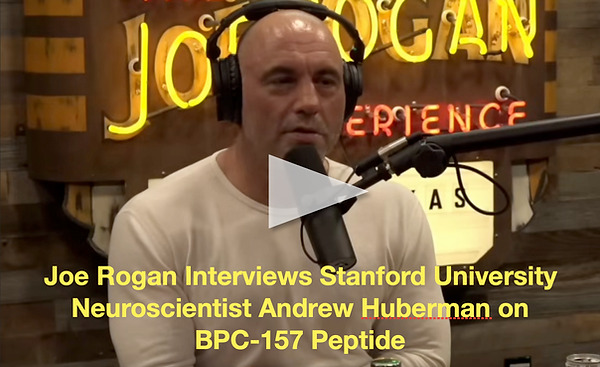
Joe Rogan Interviews Stanford University Neuroscientist Andrew Huberman on BPC-157 Peptide Health Benefits

Melanotan II interacts with a wider melanocortin receptor spectrum than its predecessor. Because of this broader receptor activity, independent research communities frequently discuss it in relation to:
-
Pigmentation response research
-
Appetite signaling pathways
-
Behavioral drive pathways
-
Libido-associated signaling pathways reported in anecdotal research circles
It is important to note that public discussion and anecdotal reporting are not the same as clinical approval or medical indication.
NAD+ and Glutathione
Glutathione & NAD Research Compounds
Frequently studied in longevity and cellular metabolism research for:
-
Oxidative stress pathways
-
Cellular energy systems
-
Mitochondrial function
-
Aging biology models
Commonly referenced in bio-optimization and longevity research communities.

Important Position Statement
As a retired physician, I do not prescribe, recommend, or instruct the use of these compounds. I have clients who hire me as a Health & Wellness Coach and I do have 25 years of family medicine and alt. medicine experience, but I have no patients and am no one's physician. All of my advice should be cleared by your physician before integration into your overall health plan.
However, I am not ignorant on the subject, as I have done independent research separate from my medical training. I do endorse one company I've used for peptide purchases because they are U.S. based, and their independent testing and impressive official Certifications of Analysis are publicly available on their website.
The reason this subject is important is:
-
Many people are independently researching peptides and purchasing them from non-reputable, dishonest, non-US-based companies
-
Many are seeking access outside traditional pharmaceutical-funded and government-controlled systems, and are susceptible to fraud
-
Many are reading the literature themselves, some of which is strongly geared toward marketing and unreliable
-
Many cannot obtain peptides through conventional channels, and are willing to purchase from disreputable buyers
This page exists to support informed, transparent, self-directed research decisions—not to guide medical use.
Access to Verified Research Supplier
👉 Research compound access portal is here: click "View Verified Research Supplier” only if you consent that I am not providing medical advice or treatment, and you are not a patient and I am not your physician.
Helpful Instructions
First, the peptide comes in powder form inside a small vial, and bacteriostatic water must be used to reconstitute it so you can pull it up into a needle and inject it. Don't be intimidated. Easy instructions can be found HERE. The bacteriostatic water comes in a vial directly from the peptide company. After cleansing the area with an alcohol pad, the peptide is injected into the subcutaneous tissue beside the belly button with a very small hypodermic needle, which you can purchase here. The larger needles used to reconstitute the peptides, in accordance with instructions, can be purchased here. The needles are so small they are painless. A bandaid is not even needed. For safety, used needles are best discarded in one of these sharps containers.
Required Legal & Medical Disclaimers
Research Use Only — Not Medical Advice
-
These compounds are sold or referenced for laboratory and research purposes only
-
Not approved by the FDA for general consumer use unless specifically indicated
-
Not intended to diagnose, treat, cure, or prevent any disease
-
No medical claims are made on this page
-
No dosing guidance is provided herein
-
No usage instructions are given herein
-
Individuals assume full responsibility for their own research decisions
-
Always consult a licensed healthcare professional regarding any medical condition
-
By proceeding, users acknowledge they are acting independently and not under medical direction from this site